Boat & Yacht Maintenance Calendar: Right Sequence, Right Material by Season
Marine conditions create a constant "cycle of corrosion" on the hull: salt and humidity fatigue the metal, UV light dulls surfaces, algae and algae blooms foul the underside of the hull, moisture in enclosed spaces increases the risk of odor/mildew. A solid maintenance routine is less about "cleaning more often" and more about setting the right sequence and choosing the right products for the type of surface.
In this guide, I have explained the early-season, in-season and end-of-season maintenance steps with a "why / how" logic, and I have also added directions to the product groups that may be needed in a natural flow.
The backbone of care: Why is the order of application important?
The most common problem is the following: although a good product is selected, the surface preparation and application sequence is not correct, the paint blisters in a short time, the surface marks, the gloss does not last or the dirt returns too quickly. It is therefore safe to think of boat maintenance in the following "general order":
- Pre-cleaning (salt, surface dirt, organic deposits)
- Deep cleaning / decontamination (grease, limescale/water marks, mold; depending on target)
- Surface preparation (sanding, filling, primer; structural repair if necessary)
- Application (paint/varnish/coating; system logic)
- Protection (gloss, UV, hydrophobic barrier; regular maintenance routine)
By establishing this sequence, you will get a more predictable, clean and long-lasting result, instead of "constant tinkering" during the season.
Pre-season maintenance (before launching/staging): Basic check and preparation
The goal of early-season maintenance is to both visually tidy up the boat and to catch early on any issues that are likely to cause problems during the season. Surface dullness, water marks, rust stains, corrosion onset and indoor humidity are more common, especially on boats coming out of winter.
1) External surface: Regular cleaning + surface treatment
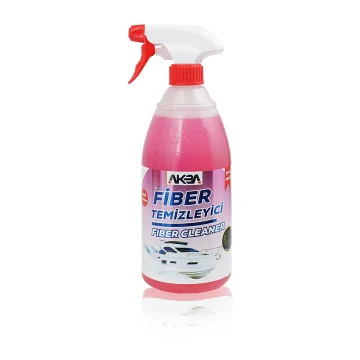
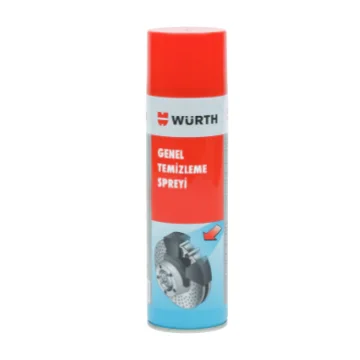
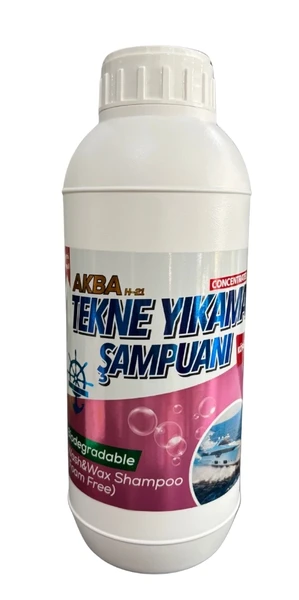
The first step should always be to safely remove "salt and surface dirt". For routine washing, shampoo/soap type products provide a more controlled approach to avoid exposing the surface to unnecessary harsh chemicals. Then, if needed, targeted cleaning (water marks/lime, oil, soot) is continued. At this point, it is useful to examine general cleaning topics within cleaning chemicals.
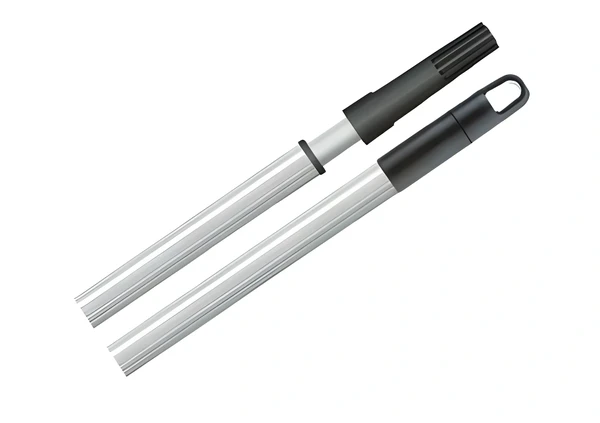
The choice of cleaning equipment also has a direct impact on the result: suitable cloths/brushes and auxiliary tools make it easier to finish the job without scratching the surface. For this section, see the section on cleaning tools.
2) Dull surface Restoring and maintaining shine
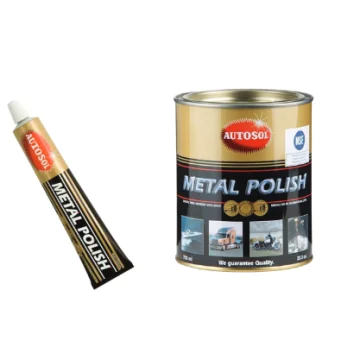
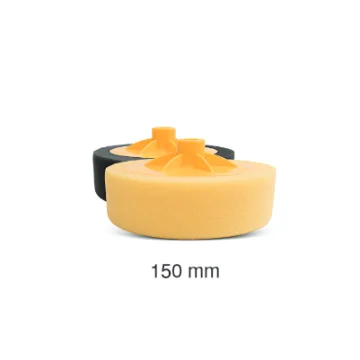
Dullness on gelcoat and painted surfaces is usually caused by a combination of UV + dirt/salt. If the surface is to be recovered at the beginning of the season, a polishing and protective layer plan is the right investment. For this purpose, examining the paste polish range will help you build a more permanent surface barrier rather than a "one-off shine".
3) Deck safety Control of non-slip areas
The risk of slipping on a wet deck is a constant safety issue throughout the season. If the surface is worn or the slip resistance is weakened, it is worth considering a non-slip paint cap. The aim here is not "a harder surface" but to increase safety with the right texture and proper application.
4) Teak surface (if available): Texture preservation with proper cleaning
Using the wrong product on teak decks can wear out the texture and accelerate graying. If you are going to care specifically for tics, it would be healthier to handle tic care separately.
5) Moisture and odor: Before the start of the season in enclosed spaces
For boats coming out of winter, the risk of cabin moisture, mold and odor increases. Adding support products such as dehumidifiers, if necessary, to the ventilation + cleaning routine at the beginning of the season can reduce the recurring odor/mold cycle during the season.
In-season maintenance (period of use): "Less is more" routine
During the season, the aim is to keep the boat "easy to clean" with small touches, without tiring the surface, without increasing the accumulation. This is usually divided into three categories: regular washing, targeted stain treatment and protective layer reinforcement.
Regular washing
Salt remaining on the surface contributes to both faster dirt adhesion and wear and tear on metal parts. For this reason, a shampoo/soap approach to routine washing gives a more balanced result throughout the season.
Targeted cleaning (water marks, limescale, oil, mold)
A "one product for everything" approach during the season often tires the surface. Instead, it is better to intervene according to the problem. Depending on the need, it is useful to review the cleaning chemicals section and the maintenance chemicals section to support protection and surface condition.
Protective supplement
Light protective reinforcements on glossy surfaces at regular intervals make it difficult for dirt to "lock" on the surface. In this context, evaluating the in-season maintenance logic of the paste polish group (with products suitable for the surface) makes cleaning easier throughout the season.
Water system and engine side: Small checks prevent big costs
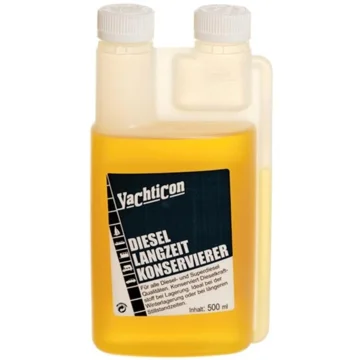
Regular oil control and correct lubrication discipline are important on the engine side during the season. Under this heading, it is a good habit to periodically check engine oil and general use oil - grease requirements. Engine fuel additives can also be examined for fuel line/system cleaning and performance-oriented needs.
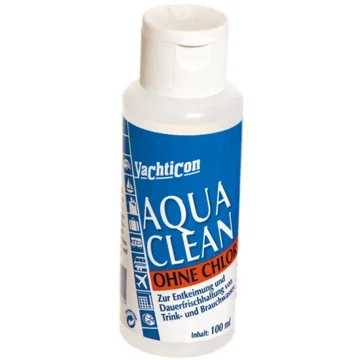
If you are experiencing problems such as odor/sediment in the fresh water tank and water line, it may be useful to evaluate the water additives heading.
End of season maintenance (disembarkation/winterization): Deep cleaning and protection
The goal of end-of-season maintenance is not to "leave the boat dirty" and to leave less work for the next season. When organic deposits, salt and moisture remain on the surface for a long time, they become more difficult to remove in the following season.
1) Deep cleaning + surface preparation
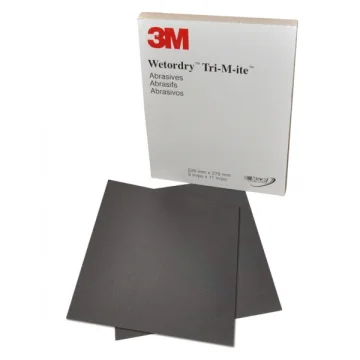
At this stage, thorough cleaning (hull, deck, metal parts, interior volumes) is carried out. If necessary, surface preparation for paint/varnish comes into play. In works that require preparation before application, varnish / sanding / thinner head is important for both preparation and equipment cleaning.
2) Paint jobs: Proceeding with system logic
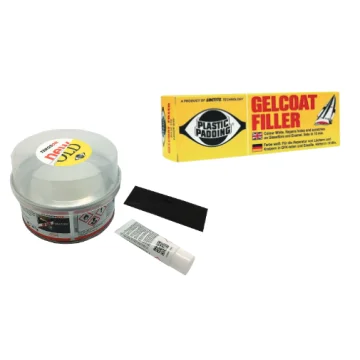
If paint works will be planned at the end of the season; the filling and primer step becomes critical depending on the condition of the surface. For this reason, it is necessary to think of the primer / putty title as "pre-paint ground". Reviewing the paint systems topic to see the general framework in practice will help you build the right layer logic.
3) Masking and workmanship cleaning
Clean workmanship often starts with masking. In paint/varnish applications, it is useful to evaluate the title of masking tapes separately for smooth edges and to reduce unnecessary overflows and marks. On the application equipment side, the choice of brush and roller is a practical detail that determines layer homogeneity.
4) Underbody Biological accumulation and conservation plan
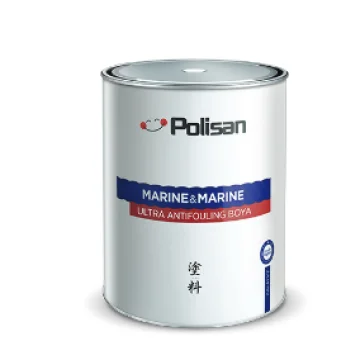
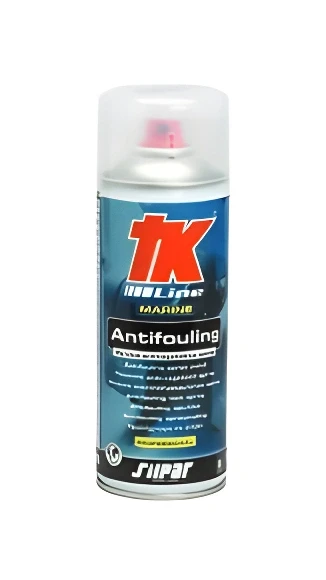
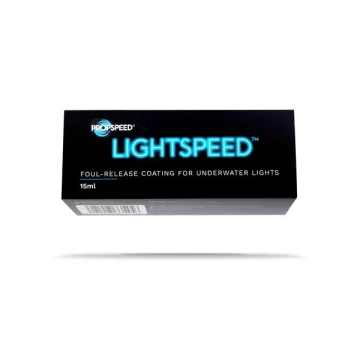
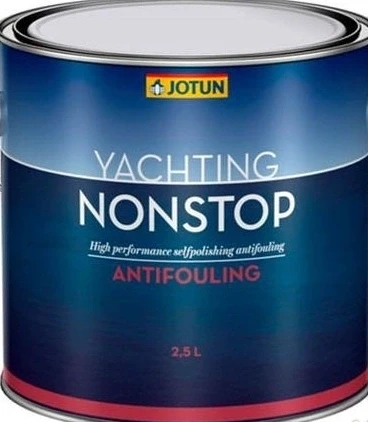
If the boat has been in the water for a whole season, live growth and accumulation on the under hull (hull) side is an expected situation. In this topic, evaluating the underwater protection approach through underwater protection paints can make a difference in terms of performance and cleanliness next season.
5) Osmosis risk: A topic that should not be ignored
In case of blistering/suspicious areas on the hull or risks due to prolonged water contact, it is better to examine the osmosis treatment - protection topic and consider the approach as "surface preparation + protection system".
6) Enclosed spaces and humidity: Stable environment for overwintering
One of the biggest problems in winterization is odor/mildew and material wear due to moisture. In addition to ventilation, dehumidification solutions can help to keep the environment in closed spaces more stable.
Common mistakes during implementation (short but critical)
- Skipping surface preparation: Paint will be short-lived if the sanding/filling/primer steps are not appropriate.
- Underestimating masking: Proper masking is a critical step for clean workmanship.
- Choosing the wrong equipment: Inappropriate roller/brush can make marks and increase consumption.
- The habit of "harsh chemicals" during the season: Using aggressive products for every cleaning tires the surface.
- Neglecting the protective layer: Brightness and UV protection are only meaningful with a regular maintenance routine.
Safety note
Personal protective equipment should not be neglected when working with paints, thinners and strong cleaning chemicals. For appropriate gloves/masks and protective equipment during application, see the protective equipment section.